Mental Fitness vs. Mental Health: Which Approach Actually Transforms Your Team Culture?

Here's the thing that's driving me crazy about workplace wellness right now: everyone's talking about mental health, but most teams are still burning out faster than they can recover.
After working with hundreds of stressed-out leaders and their teams, I've noticed something crucial. The organizations that actually transform their culture aren't just checking the "mental health support" box. They're doing something different entirely: they're building mental fitness into their daily operations.
But what's the difference, and why does it matter for your team? Let's break it down.
The Real Difference Between Mental Health and Mental Fitness
Think of it this way: mental health is your current state: how you're feeling today, your anxiety levels, whether you're dealing with depression or burnout. It's reactive care when things go wrong.
Mental fitness is your capacity: how strong your psychological muscles are for handling whatever gets thrown at you. It's proactive training before the storm hits.
Mental health asks: "How are you coping?"
Mental fitness asks: "How resilient can we make you?"
Both matter, but here's where most workplace wellness programs miss the mark: they're all Band-Aid solutions focused on crisis intervention instead of building long-term organizational strength.

Why Mental Fitness Actually Transforms Team Culture
It Shifts the Entire System
When you focus on mental fitness development across your organization: not just for the employees in crisis: you unlock potential in what researchers call "the middle majority." These are your solid performers who aren't falling apart but aren't thriving either.
Mental fitness training gives them tools for better decision-making under pressure, stronger emotional regulation, and improved communication skills. The ripple effect? Your entire team culture becomes more resilient, not just individual employees.
It Creates Measurable Team Outcomes
Here's what actually happens when teams build mental fitness together:
- Stronger conflict resolution: Teams learn to navigate disagreements without personal attacks or shutdown behavior
- Better boundary-setting: Leaders model sustainable work practices, giving everyone permission to protect their energy
- Enhanced collaboration: When people can regulate their own stress responses, they show up more present and creative in group settings
I've seen teams cut their turnover by 40% within six months of implementing trauma-informed coaching approaches that focus on building these capabilities rather than just offering mental health resources.
It Attracts and Retains Top Talent
81% of employees are more likely to join or stay with employers who prioritize mental health support. But here's the catch: they can spot authentic commitment versus checkbox wellness from a mile away.
Organizations that embed mental fitness into their leadership development, team meetings, and daily operations demonstrate genuine cultural change. It's not just offering an Employee Assistance Program; it's showing that psychological safety and resilience are core business values.

Where Mental Health Support Still Fits In
Let me be clear: I'm not dismissing mental health support. 73% of employees report their mental health affects their work performance. People facing anxiety, depression, PTSD, or other mental health challenges need targeted, professional intervention.
The most effective workplace wellness strategies layer both approaches:
Mental Health as the Safety Net: Confidential counseling, crisis intervention, accommodation for mental health conditions, and clear pathways to professional treatment.
Mental Fitness as the Foundation: Skills training for stress management, resilience building, emotional intelligence development, and trauma-informed communication practices.
Think of high-stress organizations that get this right: like the U.S. Marine Corps or emergency response teams. They provide mental health resources for those who need them, but they also build mental fitness across the entire organization through training, preparation, and cultural practices that normalize discussing psychological challenges.
The Next-Level Trend: Trauma-Informed Mental Fitness
This is where wellness trends are heading in 2026: recognizing that most workplace stress isn't just individual burnout: it's often a trauma response to toxic work environments, impossible expectations, and constant uncertainty.
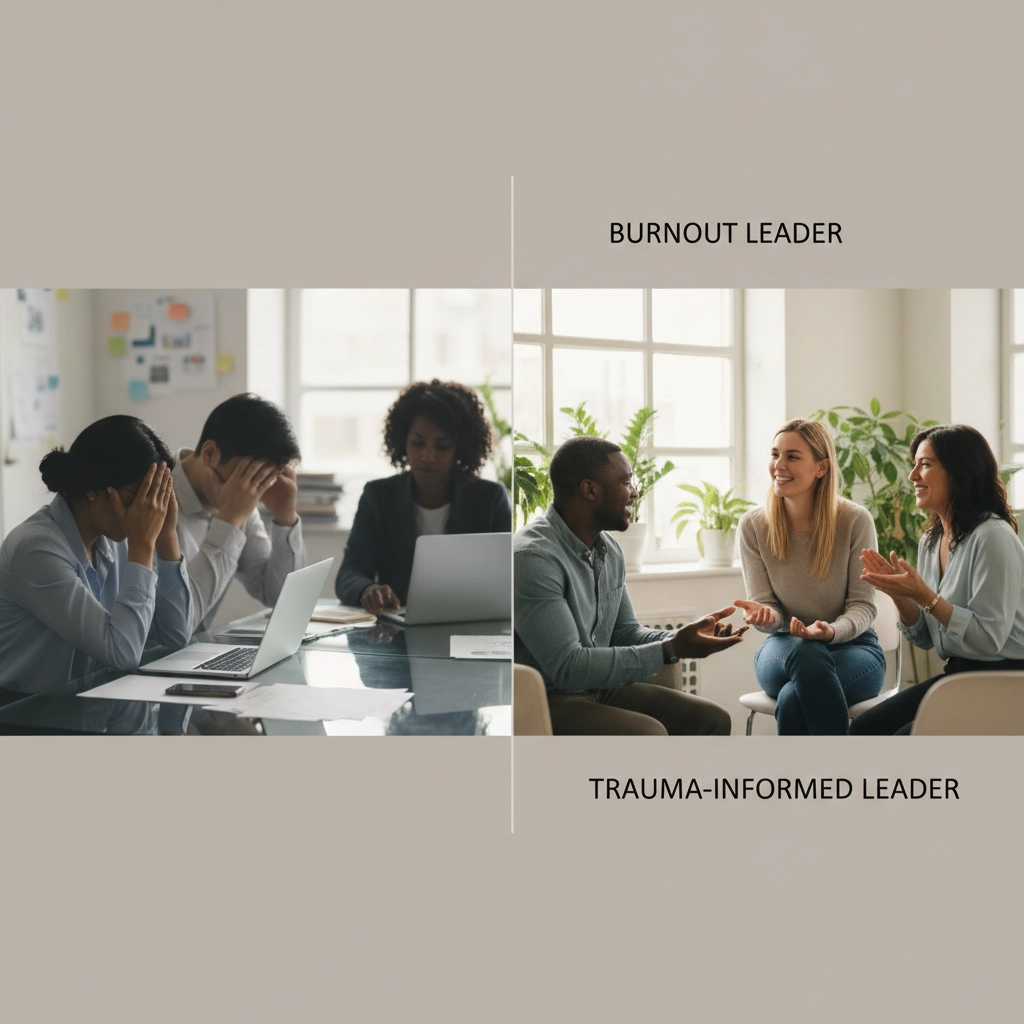
Trauma-informed coaching approaches mental fitness differently. Instead of just teaching coping skills, it addresses the underlying systems that create workplace trauma in the first place.
Here's what this looks like in practice:
Authentic Leadership Training
Leaders learn to recognize their own trauma responses and how they might be unknowingly creating psychological unsafety for their teams. This isn't therapy: it's practical skill-building for better leadership under pressure.
Team Wellness Coaching
Rather than individual wellness plans, teams develop collective practices for managing stress, supporting each other during difficult projects, and maintaining psychological safety during conflicts or changes.
Professional Stress Recovery Systems
Organizations build in regular recovery practices: not just vacation days, but daily and weekly rhythms that help teams process stress before it becomes trauma.

How to Implement Mental Fitness in Your Organization
Start with Leadership
Your leaders need to model mental fitness first. This means training them in stress regulation, emotional intelligence, and trauma-informed communication. When leaders can stay calm under pressure and maintain authentic connection with their teams, it gives everyone permission to prioritize their mental fitness.
Build Skills, Not Just Resources
Instead of just adding more mental health benefits, invest in skill-building programs that teach your team:
- Stress regulation techniques they can use during difficult conversations
- Boundary-setting language that maintains relationships while protecting energy
- Recovery practices that fit into busy schedules
- Communication patterns that prevent misunderstandings from escalating
Make It Part of Your Operations
Mental fitness can't be a side program: it needs to be woven into how you work. This might mean:
- Starting meetings with brief check-ins about team energy levels
- Building recovery time into project timelines
- Training managers in trauma-informed feedback delivery
- Creating team agreements about sustainable work practices
Track the Right Metrics
Don't just measure engagement scores or turnover rates. Track indicators that show your team's mental fitness is improving:
- How quickly teams recover from setbacks
- Quality of communication during stressful periods
- Employee confidence in handling workplace challenges
- Team cohesion during difficult projects
Your Next Steps
If you're ready to move beyond checkbox wellness into actual culture transformation, start small but start authentically. Pick one area: maybe how your team handles feedback or manages project stress: and focus on building mental fitness skills there.
The goal isn't to eliminate all workplace stress (impossible and not even desirable). The goal is to build a team culture where people have the psychological tools to handle challenges without burning out or shutting down.
Mental health support will always be necessary, but mental fitness is what actually transforms how your team shows up, works together, and handles whatever your industry throws at them.
Ready to explore trauma-informed coaching approaches for your team? Visit our resources to learn more about building authentic leadership and resilient teams that can thrive under pressure.
LinkedIn Newsletter Version
Subject: Mental Fitness vs. Mental Health: Which Actually Transforms Your Team?
Most workplace wellness programs are missing the mark. Here's why ⬇️
The Problem: We're treating mental health reactively instead of building mental fitness proactively.
Mental Health = How you're coping today
Mental Fitness = How resilient we can make you for tomorrow
What Actually Transforms Team Culture:
✅ Building stress regulation skills across the organization
✅ Training leaders in trauma-informed communication
✅ Creating systems for professional stress recovery
✅ Embedding mental fitness into daily operations
Not just:
❌ Adding more mental health benefits
❌ Crisis intervention only
❌ Individual wellness plans without team culture change
The 2026 trend: Trauma-informed coaching that addresses workplace trauma at its source, not just individual coping.
Your team needs both: Mental health as the safety net, mental fitness as the foundation.
Ready to move beyond checkbox wellness into actual culture transformation?
What's your biggest challenge in building team resilience? Drop it in the comments 👇
#TraumaInformedCoaching #TeamWellness #AuthenticLeadership #WellnessTrends #ProfessionalStressRecovery #ResilientTeams